Personalized Medical Care & Dedicated International Patient Concierge

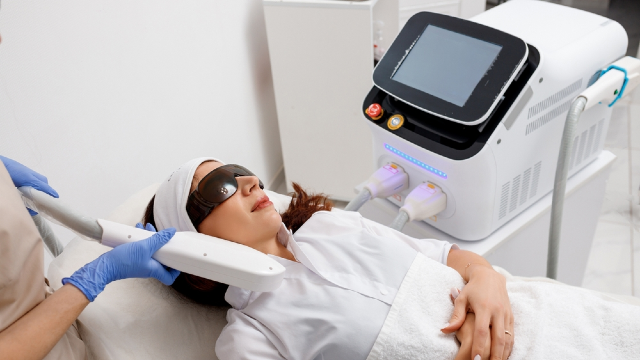
Medical Guide
XERF RF Lifting: Technology, Candidates, and Timeline
XERF RF lifting at Liyan Clinic in Jeju: what multifrequency monopolar radiofrequency does, who it suits, when results appear, and what to ask about.
Schedule a ConsultationXERF RF Lifting: Technology, Candidates, and Timeline
Medically reviewed by Dr. Oh Eunhui, Medical Director, Liyan Clinic
XERF RF Lifting is one of the six facial lifting and skin tightening technologies Liyan Clinic offers, and it is probably the least familiar of them to an American reader. That unfamiliarity is worth taking seriously rather than papering over: when a device has not been heavily marketed in your own country, the ordinary shortcuts for evaluating it are missing, and you have to ask better questions instead.
This guide covers what XERF does, who it is intended for, what the timeline looks like, and — just as usefully — which parts of the picture you will need to fill in at consultation rather than from a web page.
It is a long-standing habit of aesthetic marketing to present every device as interchangeable with every other one, distinguished mainly by adjective. The honest version is duller and more useful: energy-based tightening treatments differ in the type of energy they use, the depth at which that energy is deposited, and the tissue response that follows. XERF differs from the ultrasound treatments on the same menu in all three respects, and understanding that difference is most of what you need in order to ask a good question about it.
What XERF is, in plain terms
XERF RF Lifting is a non-surgical treatment that uses radiofrequency energy to heat targeted tissue and improve the appearance of skin firmness and laxity. Energy is delivered to selected areas without any surgical incision.
The distinguishing feature is that it uses multifrequency monopolar RF, combining 6.78 MHz and 2 MHz. The two frequencies are used to reach shallow, middle and deeper levels of tissue rather than concentrating energy at a single depth. That is the technical difference from ultrasound-based technologies, which deliver focused ultrasound energy to a chosen plane. XERF is also presented as a treatment that involves no numbing, no needles and no downtime.
The areas it is generally intended for are the face, the jawline, the submental area under the chin, and the neck, in people concerned about mild-to-moderate laxity, sagging, fine lines, wrinkles or loss of firmness.
What is settled in advance, and what is settled at consultation
This is the section most articles leave out, so it is going first.
Liyan Clinic describes the treatment, who it suits, who should not have it, how a session runs and how recovery unfolds. Several other things a careful patient would want are decided at consultation rather than set out in advance: which unit is used at the clinic, the technique and settings chosen for your skin, the comfort measures used during the session, the specific risk profile for your case, the aftercare you will be asked to follow, and how this treatment compares with the alternatives the clinic also offers.
Put those six on your list and get the answers in writing before you agree to anything. That is a better use of a consultation than asking whether the treatment works, which no clinic has ever answered with a no.
Reading device claims carefully
The same discipline applies to regulatory language, which is where a lot of confident-sounding nonsense lives. The FDA publishes a plain explanation of what it means for a device to be approved, cleared or authorized, and the three are not synonyms. A device-level regulatory status is also not a statement about the clinic using it, the plan being proposed to you, or your result.
There is one published figure worth knowing: a completed clinical trial evaluated XERF outcomes at approximately 30 and 90 days after the final treatment. That tells you something about the timescale on which this treatment is assessed — which is months, not days.
Who is a candidate, and who should postpone
Adults with mild-to-moderate skin laxity, reduced firmness or early facial contour changes who prefer a non-surgical approach and hold realistic expectations may be candidates. General health and the suitability of the treatment area are confirmed at consultation.
The clinic does list reasons to avoid or postpone, and this one is worth reading closely because RF treatments interact with things patients do not always think to mention:
- Certain implanted electronic devices
- Active skin infections or open wounds
- Medical conditions that may increase treatment risks
- Pregnancy
- Recent aesthetic procedures, which may require postponement or additional assessment
- Certain medications
Avoid treating over areas with active infection, significant irritation, wounds or otherwise unsuitable skin. Disclose recent cosmetic procedures, implants and fillers so the doctor can decide whether treatment should be postponed. Final suitability is the treating clinician's determination, not a self-assessment.
How the clinic decides what to recommend
Liyan Clinic states its own position on this directly, and it is relevant to a treatment like XERF. The clinic describes its starting point as the idea that beauty is not about resembling someone else but about finding the version of yourself that is most authentically you. In practice that means looking at each face, each skin and each way of living before recommending anything, and recommending only what the skin actually needs. Every patient speaks with a doctor before treatment begins.
That is a philosophy rather than a protocol, but it has a testable consequence you can look for at your own consultation. A clinic working that way will sometimes tell you that the treatment you asked about is not the one your skin needs. If you ask about XERF and are told that a different approach fits better — or that surgery is what your anatomy actually calls for — that is the philosophy working, not a sales failure.
The consultation itself covers your medical history, medications, previous aesthetic treatments and treatment goals, followed by an examination of the skin and the treatment area. The clinician then determines whether RF lifting is appropriate and discusses expected results, possible risks, treatment areas and a recommended plan. International patients should confirm any online pre-consultation requirements before traveling.
The session, and the weeks after
A session runs through consultation and skin assessment, cleansing and preparation of the area, confirmation of the plan and target areas, comfort measures if appropriate, delivery of RF energy to the selected area, a check of the treated area, care of the skin afterwards, and aftercare and follow-up instructions.
Treatment time varies with the area and the protocol. It is an outpatient treatment and does not normally require an overnight stay. The number of sessions and the intervals between them are individualized.
That last point deserves more weight than it usually gets. A course is not a fixed product you buy once; it is a plan that should be reviewed against how your skin actually responds. Before you leave, ask how many sessions are anticipated, at what intervals, and what would change that number. If the answer is that the plan will be reassessed after the first session, ask how — by photograph, by video review, or at a return visit — because the answer determines whether the rest of the course is realistic for someone who lives on another continent and cannot easily come back in six weeks.
Recovery, as the clinic frames it for a patient flying home to the United States:
Immediately afterwards the skin is warm and may have color in it, and cosmetics are not restricted for a radiofrequency treatment in this class. The following 72 hours carry no expected downtime. Through the first week there is nothing visible to assess, because the response that matters has started and has not surfaced.
From four to six weeks onward the change begins to show and keeps progressing over the following weeks. The fullest effect typically lands at about two to three months.
Some visible tightening may be apparent immediately after treatment, with continued improvement as collagen remodeling develops. Temporary warmth, redness, mild swelling, tenderness or a tight sensation may occur and generally settle relatively quickly. Persistent pain, blistering, significant swelling, skin discoloration or altered sensation are reasons to contact the clinic rather than wait and see.
International patients should follow the treating clinic's advice on the timing of air travel, and return to normal activities depends on individual response and the clinic's instructions.
A note on age, and on what tightening can reach
Cosmetic treatment in later life is a reasonable thing to want and a reasonable thing to ask careful questions about. The American Academy of Dermatology has published guidance on cosmetic procedures for people 65 and older that is worth reading before you commit, because skin behaves differently with age and the calculation is not identical to the one a 40-year-old makes.
The relevant limit for XERF is the same one that applies to every energy-based tightening treatment: it does not remove excess skin and it does not provide the degree of lifting a facelift provides. It should not be presented as a replacement for surgery where substantial excess skin or advanced tissue descent is present. Results vary and are neither guaranteed nor permanent.
Preparing well helps. Confirm the consultation, plan and appointment about four weeks out and arrange travel. Around two weeks out, tell the clinic about medications, supplements, medical conditions, implanted devices and recent aesthetic treatments. In the final week, follow any skincare instructions and provide photographs if requested. On the day, arrive with clean skin. Fasting is generally not required for a non-surgical RF procedure unless you are specifically instructed otherwise. Bring identification and your treatment confirmation, and confirm travel and follow-up instructions before leaving the clinic.
Preparing your questions is worth as much as preparing your skin. MedlinePlus has a short, practical guide to getting more out of a medical appointment, and the habit it recommends — writing questions down beforehand — is the single cheapest improvement available to a patient who has flown a long way for a short conversation. You can start that conversation through the clinic's contact page, and read more about the clinic on its about page.
The Bottom Line
- XERF uses multifrequency monopolar radiofrequency, combining 6.78 MHz and 2 MHz to reach shallow, middle and deeper tissue levels, and is presented as involving no numbing, no needles and no downtime.
- It suits adults with mild-to-moderate laxity of the face, jawline, submental area or neck who accept gradual change.
- Some tightening may be visible immediately, with the fullest effect at about two to three months; a completed clinical trial assessed outcomes at roughly 30 and 90 days after the final treatment.
- Implanted electronic devices, active skin infection, pregnancy, recent aesthetic procedures and certain medications are reasons to postpone or reassess.
- Six things are settled at consultation rather than in advance — the unit used, the settings, the comfort measures, your risk profile, the aftercare and the comparison with alternatives. Ask for all six in writing.
Frequently Asked Questions
Who is XERF intended for?
Adults concerned about mild-to-moderate skin laxity, sagging, fine lines, wrinkles or loss of firmness of the face, jawline, submental area and neck, who want non-surgical tightening without needles or significant downtime.
How is it different from ultrasound lifting?
XERF uses multifrequency monopolar radiofrequency at 6.78 MHz and 2 MHz, designed to deliver energy at shallow, middle and deeper levels. Ultrasound-based technologies use focused ultrasound energy instead. They are different energy types with different delivery principles.
When will I see results?
Some visible tightening may appear immediately after treatment, with continued improvement as collagen remodeling develops. The fullest effect typically arrives at about two to three months.
How long should I stay in Korea for it?
XERF involves little or no downtime, so a prolonged stay is generally unnecessary for the treatment itself. Plan around your consultation and treatment appointment, and confirm your own circumstances with the clinic.
Who should avoid or postpone treatment?
People with certain implanted electronic devices, active skin infections or open wounds, or medical conditions that increase treatment risk. Pregnancy, recent aesthetic procedures and certain medications may mean postponing or reassessing. The treating clinician decides.
What should I do if something does not settle?
Contact the clinic if you develop persistent pain, blistering, significant swelling, skin discoloration or altered sensation. Do not wait for a scheduled follow-up to report something that is getting worse.
This article is for general informational purposes only and does not constitute individualized medical advice. It is not a self-diagnosis tool, and it cannot replace an in-person assessment by a licensed dermatologist who has examined your skin.
More Articles
Continue reading our clinical guides.
Ultherapy PRIME Lifting in Korea: What to Expect
Ultherapy PRIME lifting at Liyan Clinic in Jeju: how micro-focused ultrasound works, who it suits, the honest results timeline, and how US patients plan it.
Learn More

Potenza RF Microneedling: Texture, Pores, and Scars
Potenza RF microneedling at Liyan Clinic in Jeju: how needles plus radiofrequency treat texture and acne scars, how long a course runs, and what to ask.
Learn More

Thermage FLX RF Skin Tightening: A Patient's Guide
Thermage FLX at Liyan Clinic in Jeju: how monopolar radiofrequency tightening works, what the shot count means, the results timeline, and who it suits.
Learn More