Personalized Medical Care & Dedicated International Patient Concierge

Medical Guide
Novastem vs Skin Boosters: Comparing Regenerative Options
Novastem stem cell treatment at Liyan Clinic in Jeju, weighed against conventional skin boosters: what is documented, what is not, and what to ask.
Schedule a ConsultationNovastem vs Skin Boosters: Comparing Regenerative Options
Medically reviewed by Dr. Oh Eunhui, Medical Director, Liyan Clinic
Novastem stem cell treatment and the conventional skin boosters sit in the same conversation at Liyan Clinic and are described at completely different levels of detail. One comes with a chair time, a course length, an onset window and a duration range. The other comes with a mechanism, a set of steps, and an explicit statement that most of the rest depends on the indication. Learning to read that difference correctly — without turning it into either enthusiasm or suspicion — is the most useful thing this comparison can give you.
What Novastem is
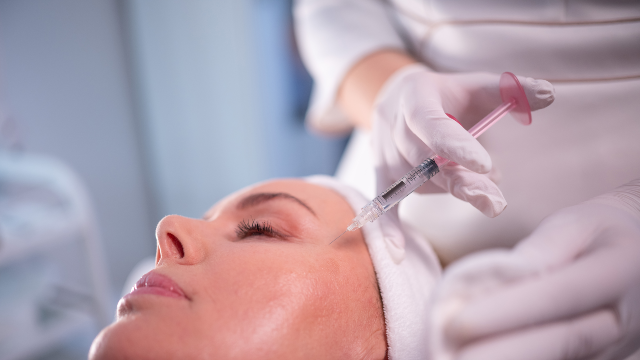
Novastem Autologous Blood-Derived Stem Cell Treatment is a regenerative treatment that uses stem-cell-related components derived from the patient's own blood, intended to support tissue repair and regeneration. The clinic lists it among the techniques that distinguish the practice.
The word doing the work is "autologous": the material comes from you. The documented sequence is short and easy to follow — a consultation, collection of your blood, preparation of the autologous cellular product, and administration according to the treatment plan.
Candidates are, in the clinic's own framing, adults who are medically appropriate for an autologous regenerative treatment after physician assessment, and suitability depends on medical history, current health, medications, blood-related factors and the condition being treated. A physician consultation and medical assessment would normally be performed to determine whether the treatment is appropriate at all.
Notice what that paragraph routes rather than states. It does not name a set of concerns the way an aesthetic treatment usually does. It names a process for finding out whether you are a candidate. That is a meaningful distinction and we will come back to it.
What a conventional skin booster is, by contrast
The comparison class is much more tightly specified, and the contrast is instructive.
Skin boosters and injectable rejuvenation treatments are minimally invasive procedures designed to improve skin quality, hydration, texture, elasticity and overall appearance. They suit adults in good general health whose main concern is skin barrier quality and hydration, fine lines and texture, elasticity, volume loss and facial contour, or under-eye skin thinning.
And they come with numbers. Chair time is 20 to 45 minutes including numbing. Most are a course of two to four sessions spaced two to four weeks apart. Early change comes from about a fortnight for the quality-focused products and from about six to eight weeks for the collagen-building ones. The fullest effect arrives after the course completes, or at about three to six months for the slower group. Duration runs from six months to two years depending on the product, and the expected recovery across the group is injection points, swelling and bruising for two to seven days.
That is a specification you can plan a trip around. You know what the appointment costs you in time, how many you need, when to look, and what you will look like on Thursday.
The documentation gap, read properly
Put the two descriptions side by side and the gap is obvious. What it means is less obvious, and it is worth spending a paragraph on, because most readers jump to one of two wrong conclusions.
The first wrong conclusion is that thin documentation means the treatment is unproven and therefore not worth considering. Regenerative approaches are described, in the clinic's own general terms, as developing medical approaches intended to support tissue repair, healing or restoration of function, with the exact treatment depending on the medical indication and the type and source of cells used. "Developing" is not a synonym for "ineffective". Plenty of routine treatments spent years in exactly that position.
The second wrong conclusion is the mirror image: that a treatment described in general terms must be more advanced than one described in specifics, because the specifics sound ordinary. That reading is more flattering and more common among people who have already decided to travel for something, and it has nothing to recommend it.
The correct reading is narrower. A treatment whose outcome rows route to the indication is a treatment whose plan and expectations have to be built in the consultation rather than read off a page. That is a statement about where the information lives, not about whether the treatment works. And it tells you exactly what to do: get the information from the place it lives.
The US Food and Drug Administration publishes consumer guidance on regenerative medicine therapies written for precisely this situation — a patient deciding about a category still being characterized. It does not tell you whether to have a treatment; it models the questions. Its companion explanation of what it means for a product or device to be cleared or authorized is worth reading alongside it, because the status of a given therapy is specific to a jurisdiction and an indication, and those two things get collapsed constantly in what you will read elsewhere.
The American Academy of Dermatology's discussion of platelet-rich plasma is the other piece of useful background. It is a different treatment, and the point of reading it is not to transfer its conclusions — it is that the Academy works through an aesthetic treatment built on a plausible biological mechanism and is candid about the state of things, which is the register you want in your own head when a clinic describes anything as regenerative.
Risks, and why they attach to different parts of the process
For conventional boosters, temporary redness, swelling, tenderness, small bumps, bruising or discomfort can occur after treatment, and less common complications include infection, prolonged inflammation or product-related reactions.
For the autologous treatment, the documented risks attach to the mechanics rather than to a product: temporary pain, bruising, swelling, bleeding or infection related to blood collection or administration. Other risks depend on the specific cellular treatment — which is, again, the consultation's job to establish.
There is a small point worth making here in favor of the autologous approach, and it should be stated without overreach. A treatment using your own biological material does not raise the questions about product sourcing that patients often ask about injectables, because there is no external product to source. That is a real and narrow advantage. It is not an argument that the treatment is safer overall, and anyone presenting it that way is stretching it.
Preparation and aftercare are ordinary but not trivial: follow the physician's instructions on medications, hydration, food intake and any required testing beforehand, and afterwards follow the clinic's individual instructions, keep an eye on the treated area and report anything unusual or persistent.
What "a technique this clinic offers" does and does not mean
The autologous treatment appears on the clinic's own list of what makes the practice distinctive, alongside the breadth of its dermatologic offering and its setting. It is worth being precise about what that kind of listing establishes.
It establishes availability. A clinic listing a treatment among its distinguishing features is telling you it is offered here and is part of how the practice sees itself.
It does not establish comparative effectiveness, and it is not intended to. No clinic's own description of its offering can settle whether a treatment outperforms an alternative, and reading it as though it could is a mistake readers make with every clinic's website, not only this one.
The useful move is to treat availability and evidence as two separate questions with two separate sources. Availability comes from the clinic. What is understood about a category comes from published guidance — and the consumer material cited above exists precisely so that a patient can hold the second question independently of whoever is answering the first.
The questions that turn an outline into a plan
If you are considering this, do not go in asking whether it works. You will get a general answer to a general question and you will be no better off. Ask these instead.
What indication are we treating? The documentation is explicit that the treatment depends on it, so this is the question everything else hangs from. If the answer is a broad aesthetic goal rather than something specific, say so and ask for the specific version.
How many visits, over what period, and how long is each? These are the numbers the conventional comparison class publishes and this one does not. They exist for your case; they are just set at the assessment.
What would you expect me to notice, and when would we look? Ask for a review point and a criterion. A treatment whose timing varies by indication still has a timing for yours.
And what would you suggest instead? The clinic's own framing is that alternatives depend on the condition being treated and may include conventional medical treatments or other regenerative approaches. Asking to hear them is not rudeness; it is how you find out whether the recommendation is a recommendation.
The Academy of Dermatology's list of questions to ask before any cosmetic treatment covers the rest of the ground and is worth taking in whole.
Write down what you are told, and afterwards write down what was actually done — the date, the process, what was administered and on what plan. MedlinePlus, the US National Library of Medicine's patient service, explains why a personal health record is worth keeping; in a category that is still being described, a record is what lets you make sense of what is written about it in three years. A patient without one has an anecdote.
Send your questions ahead rather than raising them in the room — the contact page takes them, and the about page describes the practice that will answer. For a treatment planned around an indication rather than selected from a menu, the conversation before the booking is not a formality. It is the treatment decision.
The Bottom Line
- Novastem uses stem-cell-related components derived from your own blood, following a documented sequence: consultation, blood collection, preparation of the autologous product, and administration according to the plan.
- Conventional skin boosters are specified in detail — 20 to 45 minutes including numbing, a course of two to four sessions two to four weeks apart, duration from six months to two years, and two to seven days of visible injection effects.
- The difference in detail is about where the information lives, not about whether either works: the autologous treatment's expectations are set at assessment because they depend on the indication.
- Risks differ in kind. The booster class carries product-related risks; the autologous treatment's documented risks attach to blood collection and administration.
- Go in with four questions — what indication, how many visits and how long, what should I notice and when, and what would you suggest instead.
Frequently Asked Questions
What is Novastem?
An autologous blood-derived stem cell treatment: stem-cell-related components derived from your own blood, intended to support tissue repair and regeneration.
What does the process involve?
A consultation, collection of your blood, preparation of the autologous cellular product, and administration according to your treatment plan.
Why is there less detail about it than about skin boosters?
Because its expectations depend on the indication and the treatment plan, which are established at the physician assessment rather than published in advance. Conventional boosters are specified as a class because they behave consistently enough to be.
How many sessions and how long will it take?
That depends on the individual treatment plan, which is why it is one of the questions to ask directly at consultation rather than something to assume.
What are the risks?
Temporary pain, bruising, swelling, bleeding or infection related to the blood collection or the administration. Other risks depend on the specific cellular treatment used.
Is it safer because it uses my own blood?
It removes the question of sourcing an external product, which is a genuine but narrow advantage. It is not a general safety claim, and the procedure-related risks above still apply.
How do skin boosters compare on timing?
They are a course of two to four sessions two to four weeks apart, at 20 to 45 minutes each, with early change from about a fortnight for quality-focused products and six to eight weeks for the collagen-building ones.
How should I decide between them?
Start with what you are actually trying to treat. If it is skin quality, the conventional class is specified for exactly that. If it is something else, the assessment is what establishes whether a regenerative approach applies.
This article is for general informational purposes only and does not constitute individualized medical advice. It is not a self-diagnosis tool, and it cannot replace an in-person assessment by a licensed dermatologist who has examined your skin.
More Articles
Continue reading our clinical guides.
Ultherapy PRIME Lifting in Korea: What to Expect
Ultherapy PRIME lifting at Liyan Clinic in Jeju: how micro-focused ultrasound works, who it suits, the honest results timeline, and how US patients plan it.
Learn More

Potenza RF Microneedling: Texture, Pores, and Scars
Potenza RF microneedling at Liyan Clinic in Jeju: how needles plus radiofrequency treat texture and acne scars, how long a course runs, and what to ask.
Learn More

Thermage FLX RF Skin Tightening: A Patient's Guide
Thermage FLX at Liyan Clinic in Jeju: how monopolar radiofrequency tightening works, what the shot count means, the results timeline, and who it suits.
Learn More