Personalized Medical Care & Dedicated International Patient Concierge

Medical Guide
InMode RF: Skin Tightening and Body Contouring Uses
InMode at Liyan Clinic in Jeju: what a multi-handpiece RF platform treats, why the modality matters more than the brand, recovery, and follow-up from abroad.
Schedule a ConsultationInMode RF: Skin Tightening and Body Contouring Uses
Medically reviewed by Dr. Oh Eunhui, Medical Director, Liyan Clinic
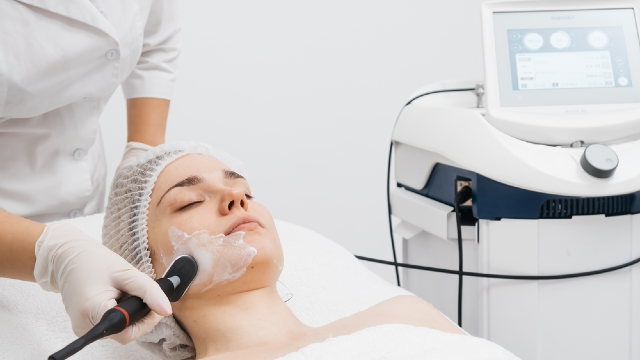
InMode is not a treatment. It is a platform — a system of energy-based technologies and handpieces used for concerns including skin laxity, facial contour and localized tissue fullness. Depending on which handpiece and modality is selected, an InMode treatment may use radiofrequency energy, thermal energy or other technologies to heat targeted tissue and support tightening, contouring or remodeling.
That distinction is not pedantry. It is the single most useful thing to understand before a consultation at Liyan Clinic in Jeju or anywhere else, because "I had InMode" describes about as much as "I had an operation".
Why the modality matters more than the brand
The InMode platform includes different technologies and handpieces. Depending on the treatment, systems may use radiofrequency, bipolar RF, fractional RF, thermal energy or other energy-based technologies.
Those are meaningfully different treatments. They reach different depths, produce different tissue effects, carry different recovery profiles, and suit different problems. A bipolar arrangement concentrates energy between two closely spaced electrodes, which is a different proposition from energy delivered through a single electrode into deeper tissue. A fractional approach treats a pattern of points rather than a continuous field. Recovery after one may be a few hours of redness; after another it may be a few days.
So the question that produces a useful answer at consultation is not whether the clinic has InMode. It is: which InMode modality are you proposing for me, why that one, and what recovery does it carry? A clinic that answers in those terms is giving you a plan. A clinic that answers with the brand name has answered a different question.
What it is used for
Skin laxity, facial contour and localized areas of fullness are the documented targets. Suitable candidates are generally adults with mild-to-moderate skin laxity, reduced facial definition or localized fullness who prefer a non-surgical treatment.
Potential benefits include improved skin firmness, better-defined contours and improvement in the appearance of mild laxity or localized fullness, depending on the modality. Results vary between patients and are not guaranteed.
The limit is the familiar one, and it is worth repeating because a platform with many handpieces can create an impression of limitlessness: InMode is not a substitute for surgery when significant tissue excess or advanced laxity is present. The American Academy of Dermatology's overview of ways to firm sagging skin is a useful reality check on what non-surgical tightening achieves as a category, and its pages on non-invasive fat removal and cellulite are worth reading if contour rather than firmness is your concern. The FDA's consumer overview of non-invasive body contouring technologies covers the same ground from a regulatory angle.
How to compare a platform against a single-purpose device
If you are weighing InMode against one of the single-device lifting treatments on the same menu, you are not comparing like with like, and it helps to know that going in.
A single-purpose device does one thing to one kind of tissue at a fairly fixed depth. A platform does several things depending on which handpiece is attached. That makes a platform more adaptable and, at the same time, harder to evaluate from outside: two patients who both had InMode may have had genuinely different treatments.
So convert the comparison into terms that are actually comparable. Ask, for each option being discussed: what tissue is being targeted, at what depth, with what energy, over how many sessions, with what recovery, and what change should be visible by when. Those six answers make any two proposals comparable, whatever their brand names. Without them you are comparing marketing surfaces.
A second point follows from the same logic. Because a platform can do several things, a plan that uses it should say which thing. If a quote says only the platform name, ask for the modality and the handpiece in writing, and keep that note. It is the record that tells a clinician later — including one at home — what was actually done to your skin.
None of this implies a platform is worse. Adaptability is a genuine advantage when your concern involves both firmness and contour, which is common and is exactly the case InMode is built for. The point is that the advantage is only real if the specific choice within it was made deliberately and explained to you.
Who should not have it
People with certain implanted electronic devices, active infections or significant inflammation in the treatment area, open wounds, or other contraindications to energy-based treatment may not be suitable. Pregnancy and certain medical conditions may also require postponement or additional evaluation. Final suitability is determined by a qualified medical professional.
The consultation covers your medical history, skin condition, degree of laxity, facial or body contour, treatment goals and previous procedures. The modality, treatment area and settings are then selected for your case. Disclose your medical history, medications, implanted devices and any active skin conditions; keep the treatment area clean and avoid irritating skincare or procedures beforehand.
What treatment and recovery look like
The sequence is consultation and assessment, cleansing and preparation of the area, application of the selected handpiece, controlled delivery of energy to the target area, and completion with post-treatment instructions.
Treatment time varies by modality, area and plan, and the number of sessions is individualized according to your goals and response. Ask for both figures — minutes and sessions — before you agree to anything, because a plan quoted without them is not yet a plan you could hold anyone to.
Recovery is generally short compared with surgery, but downtime varies by modality. Mild redness, swelling, warmth or tenderness may last from several hours to a few days. More intensive treatments can require longer. Common temporary effects include redness, warmth, swelling, tenderness, sensitivity or mild discomfort; depending on the technology and settings, less common complications can include burns, pigmentation changes, prolonged swelling, scarring or nerve-related symptoms.
Some changes may appear soon after treatment, while tightening effects can develop gradually over several weeks.
That split — something now, something later — is worth understanding because it is where expectations most often go wrong in both directions. Patients who judge the result in the first week sometimes conclude too early that it worked, because an immediate effect can include a degree of swelling that flatters the contour. Patients who judge it in the second week sometimes conclude too early that it did not, because the early effect has settled and the slower one has not arrived. The honest point of assessment is the review appointment, and the honest instruction is to photograph yourself under consistent lighting on the day of treatment so that there is something to compare against later that is not a memory.
Within Liyan Clinic's own service list, the treatments that pair naturally with InMode are ONDA Lifting, Shurink Lifting, Ultherapy PRIME Lifting and Lipolysis Injections. Combination is a clinical decision about your case, not an upgrade to select.
The question American patients actually want answered
There is one concern that comes up more often from United States patients than from anywhere else, and it is usually asked indirectly or not at all: what happens if something goes wrong when I am 7,000 miles away?
It deserves a straight answer rather than reassurance. American patients tend to think about medical care partly in terms of liability, because that is how the system at home is structured. Korean medical liability works differently, and no United States remedy travels with you. That is a fact about jurisdictions, not a comment on any clinic, and it is true of treatment in any country you are not a resident of.
What follows from it is practical rather than alarming. Since the legal backstop you are used to is not present, the things that substitute for it are the ones you can arrange in advance:
- Know who treated you and with which modality and settings, in writing, before you leave the clinic.
- Know how to contact the clinic directly, and at what hours, allowing for Korea Standard Time being UTC+9 with no daylight saving.
- Know what a normal recovery looks like week by week for the specific modality you had, so you can tell an expected reaction from an unexpected one.
- Know what you would do locally if something needed to be seen in person, and have a US clinician in mind before you need one.
A remote conversation can help with the first stretch of that. Telehealth is now an ordinary part of US medical care, and MedlinePlus has a clear overview of what a remote appointment can and cannot do. Applied here, the honest boundary is that a video call can review how you are doing and help you decide whether something needs to be examined; it cannot examine you. Confirm with the clinic before you travel what follow-up it offers after you return home, and get that answer specifically rather than by implication.
Online consultation before treatment is available and is worth using for exactly this reason: it is easier to establish how you will stay in contact before there is anything to be in contact about. Start through the clinic's contact page; background on the practice and its doctors is on the about page.
The Bottom Line
- InMode is a platform, not a single treatment; what you actually receive depends on the handpiece and modality — radiofrequency, bipolar RF, fractional RF or thermal energy.
- Ask which modality is proposed, why that one, and what recovery it carries. The brand name alone does not describe a plan.
- It targets skin laxity, facial contour and localized fullness, and does not replace surgery where tissue excess or advanced laxity is the real issue.
- Downtime varies by modality — from several hours of mild redness to a few days, longer for more intensive treatments.
- Settle your follow-up route before you fly home: who treated you, how to reach them, what normal looks like, and what you would do locally if it is not normal.
Frequently Asked Questions
Is InMode one treatment or several?
Several. It is a platform of technologies and handpieces that may use radiofrequency, bipolar RF, fractional RF, thermal energy or other energy-based approaches, selected according to what is being treated.
What does it treat?
Skin laxity, facial contour and localized areas of fullness, in adults with mild-to-moderate laxity, reduced facial definition or localized fullness who prefer a non-surgical approach.
How much downtime should I expect?
It depends on the modality. Mild redness, swelling, warmth or tenderness may last from several hours to a few days, and more intensive treatments can require longer.
Who should avoid it?
People with certain implanted electronic devices, active infection or significant inflammation in the area, open wounds, or other contraindications to energy-based treatment. Pregnancy and certain conditions may mean postponing or further evaluation.
Can it be combined with other treatments?
Within the clinic's service list it pairs naturally with ONDA Lifting, Shurink Lifting, Ultherapy PRIME Lifting and Lipolysis Injections. Whether a combination suits you is a clinical decision made at consultation.
What should I arrange before I fly home?
Written details of what was done and with which settings, direct contact details for the clinic and the hours it can be reached, a week-by-week picture of normal recovery for your modality, and a plan for who would see you locally if something needed examining.
Will a video call be enough if I have a problem?
It can help you decide whether something needs to be looked at, and it can answer questions about what you are seeing. It cannot examine you. Confirm with the clinic what follow-up it offers after you return, before you travel rather than after.
This article is for general informational purposes only and does not constitute individualized medical advice. It is not a self-diagnosis tool, and it cannot replace an in-person assessment by a licensed dermatologist who has examined your skin.
More Articles
Continue reading our clinical guides.
Ultherapy PRIME Lifting in Korea: What to Expect
Ultherapy PRIME lifting at Liyan Clinic in Jeju: how micro-focused ultrasound works, who it suits, the honest results timeline, and how US patients plan it.
Learn More

Potenza RF Microneedling: Texture, Pores, and Scars
Potenza RF microneedling at Liyan Clinic in Jeju: how needles plus radiofrequency treat texture and acne scars, how long a course runs, and what to ask.
Learn More

Thermage FLX RF Skin Tightening: A Patient's Guide
Thermage FLX at Liyan Clinic in Jeju: how monopolar radiofrequency tightening works, what the shot count means, the results timeline, and who it suits.
Learn More