Personalized Medical Care & Dedicated International Patient Concierge


Specialty Overview
Skin Rejuvenation & Texture Care
Skin rejuvenation and texture care at Liyan Clinic in Jeju, Korea: RF microneedling, LDM ultrasound and Aqua Peel, performed by the clinic's three doctors.
Schedule a ConsultationSkin Rejuvenation and Texture Care in Jeju, Korea

Medically reviewed by Dr. Oh Eunhui, Medical Director, Liyan Clinic
Skin rejuvenation and texture care at Liyan Clinic in Jeju, Korea is a dermatology category holding three named treatments — Potenza, LDM Skin Treatment and Aqua Peel — which act at three different depths of the skin. The category is aimed at rough or uneven texture, enlarged pores, acne scarring, congestion and skin that has lost firmness, and none of the three treatments in it is surgical. Which of the three a patient is offered is a decision made at consultation against the skin itself, not booked in advance from a website.
What Is Skin Rejuvenation & Texture Care?
Skin Rejuvenation & Texture Care is Liyan Clinic's dermatology category for non-surgical treatments whose target is the condition of the skin — its texture, its pores, its congestion and its comfort — rather than the shape or the position of the face.
The category covers three named services: Potenza, LDM Skin Treatment and Aqua Peel.
The three sit at three depths. Microneedle radiofrequency places thermal energy in the dermis through insulated needles. The ultrasound platform works mechanically rather than thermally and is used on irritated or post-procedure skin. Hydro-dermabrasion acts only on the surface.
Full face is the treated area within this group.
An appointment runs from 12 minutes to 60 minutes depending on which of the three treatments is selected.
The microneedle radiofrequency route is taken as a course of three or more sessions. The other two are maintenance treatments.
No overnight stay is required for a treatment of this type.
That split of depth is the single most useful thing to understand before a consultation, because it determines both what a treatment can change and how long it takes to show. A treatment that acts only on the surface can make skin look cleaner the same afternoon and cannot rebuild anything underneath it. A treatment that places energy in the dermis works the other way round: nothing much is visible in the first week, and the change it produces arrives from roughly the fourth week onward.
The category also has a boundary worth naming. Liyan Clinic lists Potenza in this group specifically, with the stated goal of restoring healthy skin condition and creating a smooth, uniform texture. Its other non-surgical technologies — Ultherapy Prime, Shurink and InMode among them — are described around lifting, elasticity and facial contouring instead. A patient whose main complaint is sagging along the jawline rather than the quality of the skin surface is likely to be pointed toward a different category at consultation, and being told that plainly is a better outcome than being booked into the wrong treatment.
Who Performs Skin Rejuvenation & Texture Care at Liyan Clinic
|
|
|
Dr. Oh Eunhui, Medical Director | Dr. Hyun Moonsu, Vice Director | Dr. Kim Seunkon, Vice Director |
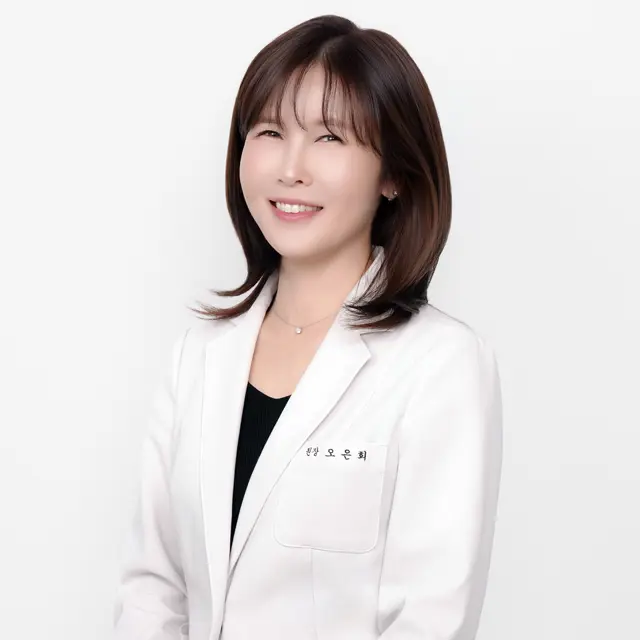
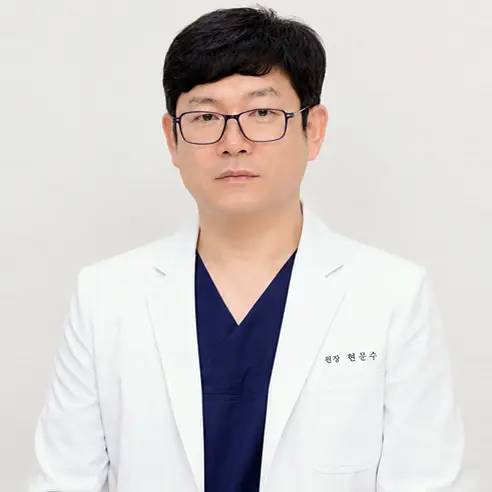
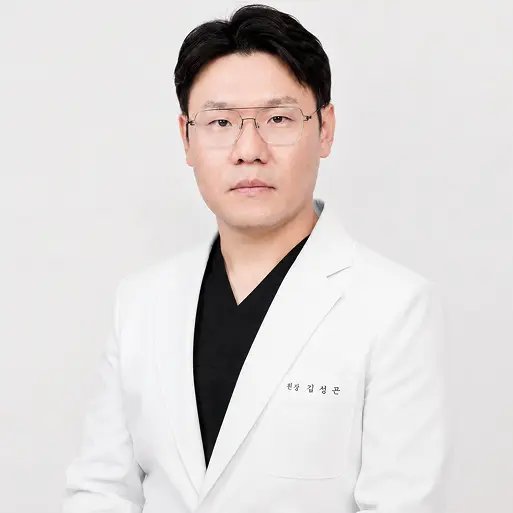
Texture treatment is a settings decision before it is a device decision. Needle depth, radiofrequency mode, ultrasound frequency and suction strength are each chosen against the skin in front of the clinician, and the same device set to two different depths is effectively two different treatments. That is why the assessment step on the day is not a formality, and why the doctor who assesses the skin is the one who determines what the session will actually do.
Dr. Oh Eunhui is the Medical Director of Liyan Clinic and the clinic's legal representative on its business registration. She graduated from Seoul National University. Before Liyan Clinic she held Vice Director posts at Joy Dermatology and Me&Me Clinic and was Medical Director of The Goun Clinic. She is a full member of the Korean Society of Aesthetic Plastic Surgery and Laser Medicine and of the Korean Society of Laser Dermatology and Hair Research, and a member of the Korean Society of Aesthetic Medicine, the Korean Society of Obesity and Aesthetic Medicine and the Korean Society of Aesthetic Functional Medicine.
Dr. Hyun Moonsu is a Vice Director at Liyan Clinic and a medical specialist associated with Dong-A University. He previously served as Head of the Medical Department at Seogwipo Medical Center, as Director at Mijak Clinic and as Representative Director at Neulbom Miarum Clinic. He is a member of the Basic Aesthetic Research Association, the Korean Society of Laser Dermatology and Hair Research, the Korean Society of Aesthetic Plastic Surgery and Laser Medicine and the Korean Society of Obesity and Aesthetic Medicine.
Dr. Kim Seunkon is a Vice Director at Liyan Clinic. He previously held Director posts at Madi Clinic and at Jeju Clinic before joining Liyan Clinic. He is a member of the Korean Society of Laser Dermatology and Hair Research, the Korean Society of Aesthetic Plastic Surgery and Laser Medicine and the Korean Society of Obesity and Aesthetic Medicine.
All three of Liyan Clinic's doctors are listed as performing doctors for this area of treatment, and the clinic has not published an assignment of particular treatments or sessions to particular doctors, so this page names the team rather than claiming one doctor performs every session.
Individual profiles are on the doctor pages for Dr. Oh Eunhui, Dr. Hyun Moonsu and Dr. Kim Seunkon. One point that matters to patients arriving from the United States: professional society membership in Korea is a different kind of signal from the credential terminology used at home, and the two should not be read as equivalents. The memberships above are what the clinic documents, stated as memberships and nothing more.
Skin Rejuvenation & Texture Care Options at Liyan Clinic
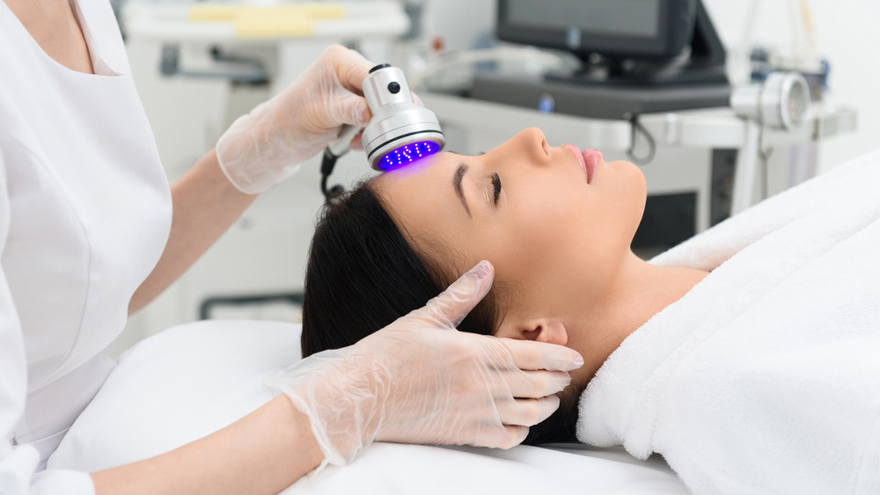
Treatment | Mechanism | Where it acts | How it is usually taken |
|---|---|---|---|
Microneedle radiofrequency | Places thermal energy in the dermis through insulated needles | A course of three or more sessions | |
Ultrasound platform | Works mechanically rather than thermally; used on irritated or post-procedure skin | A maintenance treatment | |
Hydro-dermabrasion | Acts only on the surface | A maintenance treatment |
The treatment is selected according to the individual's needs rather than on a one-size-fits-all basis, so this table is a map of what exists rather than a menu to order from. Two patients with the same complaint can leave the consultation with different plans, because recent procedures, skin sensitivity on the day and how much time the patient has in Jeju all feed into the choice.
Who Is a Good Candidate for Skin Rejuvenation & Texture Care?
Every patient at Liyan Clinic speaks with a doctor before treatment begins, and the clinic assesses each face, each skin and each way of living before recommending anything. In this category that assessment covers skin condition, texture, elasticity and the patient's own aesthetic concerns, and it happens before any treatment in the group is recommended.
You may be a candidate if
You are an adult in good general health.
Your main concern is enlarged pores.
Your main concern is acne scarring.
Your main concern is uneven texture.
Your main concern is congestion and blackheads.
Your main concern is redness and barrier recovery.
You understand that the change these treatments produce is non-surgical.
You can accept the timing the treatment actually has: texture change from about three to four weeks on the microneedle route, and immediate change on the other two.
You may need to avoid or postpone treatment if
You have an active skin infection.
You have significant inflammation in the area.
You have an open wound in the area.
You have an uncontrolled medical condition that a clinician judges relevant.
You have another contraindication identified during assessment.
Acne scarring deserves a separate note, because it is one of the main reasons patients in the United States research Korean dermatology in the first place. The American Academy of Dermatology's patient guidance sets out what a dermatologist can realistically offer for acne scars, that more than one treatment type is usually involved, and that the consultation should establish which scar types a patient actually has before anything is booked (AAD — Acne scars). That framing applies here too: scarring is assessed, not assumed.
What to Expect: Procedure, Recovery, and Results Timeline
The skin is first cleansed and prepared. The selected treatment then follows. Depending on the technique, that step may involve energy delivery or controlled stimulation of the skin. Soothing and post-treatment care close the session.
Before the appointment, patients should disclose medications, allergies, skin conditions, previous procedures and any history of abnormal healing. Avoiding unnecessary irritation or aggressive skincare immediately before treatment may also be recommended. Both of those matter more than patients expect, because an irritated barrier on the day can change what the clinician is willing to do.
Stage | What is typically happening |
|---|---|
Day 0 | The treated area feels warm and may look flushed. Make-up is normally possible the same day for a treatment of this type. |
Days 1–3 | Two to four days of downtime after microneedle radiofrequency. None after the other two. |
Week 1 | Appearance is normal. The collagen response has begun but is not yet visible. |
Weeks 4–6 | Early change becomes noticeable — texture change from about three to four weeks on the microneedle route, immediate on the other two. |
Months 2–3 | The fullest effect follows two to three months after a completed microneedling course. |
Months 6–12 | Results are cumulative across a course and are maintained with periodic sessions. |
Longevity follows the same split. Early change is texture change from about three to four weeks on the microneedle route and immediate on the other two. The fullest effect arrives two to three months after a completed microneedling course. Duration is cumulative across a course and maintained with periodic sessions, which means this is a category of treatment a patient returns to rather than one that is finished.
Visit requirements are modest. Chair time is 12 minutes to 60 minutes depending on the treatment, and that figure is the treatment step only — numbing time, consultation and photography are additional, so the clinic visit is longer than the treatment. These are outpatient skin treatments and international patients do not typically need a long stay, although the appropriate schedule depends on the treatment selected and on follow-up needs.
For a patient flying from the United States, the scheduling constraint is usually the calendar rather than the recovery. There is no non-stop route between any United States airport and Jeju International Airport, so United States patients fly into Seoul Incheon — roughly 13 to 14 hours from the West Coast and 14 to 15 hours from the East Coast — and take a domestic connection to Jeju. Seoul Gimpo to Jeju takes about 1 hour 15 minutes, and Liyan Clinic is about 20 minutes by car from Jeju International Airport. Total door-to-door time is typically 20 to 26 hours. Arrive at least one full day before treatment. A patient who lands at Jeju and is treated the same day is treated jet-lagged after two flights, and the clinic's Wednesday and Sunday closure means the arrival day has to be chosen so that the treatment day falls on an open day.
Combining Skin Rejuvenation & Texture Care with Other Treatments
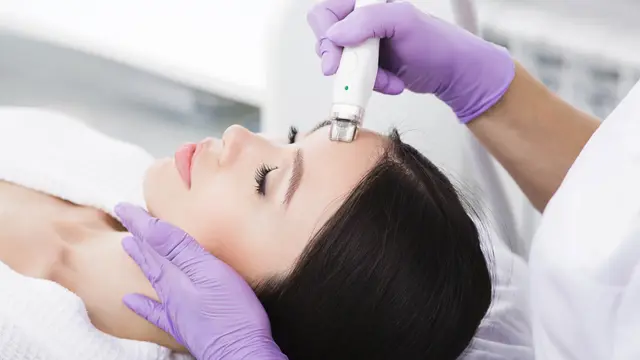
Depending on skin condition and goals, a treatment from this category can be built into a broader skin-rejuvenation plan. The controlling rule is that combinations are selected and scheduled by the clinician, specifically to avoid stacking enough irritation on one appointment that the skin cannot take it.
Potenza — the microneedle radiofrequency route, and the one most often placed at the centre of a course rather than added to the end of a visit.
LDM Skin Treatment — the ultrasound route, and the one the clinic's own description associates with irritated or post-procedure skin.
Aqua Peel — the surface route, which changes what the skin looks like the same day.
Liyan Clinic also offers treatments outside this category, including Ultherapy Prime, Shurink and InMode, and a plan may cross categories. What it should not do is cross them on the patient's own initiative during a short trip, which is exactly the situation the clinician-scheduled rule exists to prevent.
Safety, Precision, and Clinic Standards
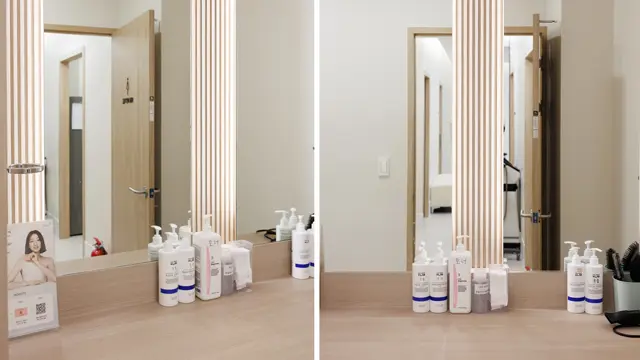
Liyan Clinic opened in Jeju City in 2013, has operated from the same address ever since, and records more than 60,000 cumulative patient visits.
Liyan Clinic is a Registered Medical Institution for Attracting Foreign Patients, certified by the Ministry of Health and Welfare in compliance with the Medical Overseas Expansion and Foreign Patients Attraction Act.
Liyan Clinic is a Potenza genuine-product certified clinic. That is the only manufacturer certification stated on this page, and it is stated because it is the one the clinic documents.
Radiofrequency microneedling as a category carries risk that a United States reader should be told about directly. The Food and Drug Administration's device page on microneedling sets out how these devices are regulated in the United States and carries the link to the agency's 2025 safety communication on radiofrequency microneedling (FDA — Microneedling Devices). The American Academy of Dermatology's statement responding to that communication lists what has been reported after these treatments — burns, scarring, loss of facial fat and nerve damage — and tells patients to establish, before treatment, who will be holding the handpiece (AAD — Statement on FDA RF microneedling risks). That is a category-level warning about a treatment type, and it applies to the microneedle route in this group. The other two routes do not place energy in the dermis at all.
Liyan Clinic publishes no case volume, no outcome rate and no complication rate for this treatment, and this page claims none. Liyan Clinic has not published a price or a price range for this treatment, so none is stated on this page, and cost is confirmed at consultation.
Two further things follow from the geography and should be said plainly rather than smoothed over. Korean medical liability works differently from the American system, and no United States legal remedy travels with a patient. Written documentation of what was done — device name, area treated and session details — is worth asking for before leaving, because it is what an American dermatologist will want if a question comes up at home.
The Bottom Line
Skin Rejuvenation & Texture Care is a dermatology category of three non-surgical treatments at Liyan Clinic in Jeju: Potenza, LDM Skin Treatment and Aqua Peel.
The three act at different depths — dermis, mechanical ultrasound, and surface only — and that difference drives both what changes and when.
Appointments run 12 to 60 minutes of chair time, the microneedle route is a course of three or more, and no overnight stay is involved.
The microneedle route shows texture change from about three to four weeks, with the fullest effect two to three months after the course; the other two change how skin looks immediately.
Radiofrequency microneedling has documented category-level risks, and the honest reason to consider it in Jeju is access and the clinic's own record, not a claim that the treatment is stronger here.
Frequently Asked Questions
What treatments does Skin Rejuvenation & Texture Care include at Liyan Clinic?
Three: Potenza, LDM Skin Treatment and Aqua Peel. They are grouped because they all target the condition of the skin rather than facial shape, and they are distinguished by the depth each one acts at. The clinic treats full face within this group.
How long does an appointment take?
Chair time runs from 12 minutes to 60 minutes depending on which treatment is selected. That is the treatment step alone; numbing time, the consultation and clinical photography are additional, so the visit is longer than the treatment. It is also not the number of days a patient needs to be in Korea.
Does it hurt?
Mild to moderate discomfort is usual — pricking, warmth or a stinging sensation — and it is most noticeable with the treatments that involve microneedling or radiofrequency energy. The surface and ultrasound routes are the gentler end of the group. Sensitivity varies between individuals.
How many days should I stay in Korea?
These are outpatient skin treatments and international patients typically do not need a long stay, though the right schedule depends on which treatment is chosen and on whether a review appointment is wanted. Build the itinerary around the clinic's closed days — Wednesdays, Sundays and Korean public holidays — and allow a full day between landing and treatment.
When can I fly home?
For treatments with limited downtime, patients can usually travel once they are comfortable and any immediate redness or swelling is manageable. That answers when flying is permitted, which is a different question from how many days to plan in Korea. Confirm both with the clinic for the specific treatment selected.
What should I avoid after treatment?
Avoid excessive heat, strenuous exercise, alcohol, direct sun exposure and irritating skincare products immediately afterwards. Do not scrub or aggressively exfoliate treated skin while it is sensitive. Sun protection matters on the flight home as well, since window seats get more ultraviolet exposure than people expect.
Can these treatments be combined with another procedure?
Yes. Depending on skin condition and goals, a treatment from this group can be incorporated into a wider plan that includes the clinic's other treatments. Combinations should be selected and scheduled by the clinician so that the skin is not over-irritated in a single visit.
What photographs or documents will the clinic want?
Patients may be asked for recent photographs, treatment history, medication information, allergies and details of previous cosmetic procedures, so that the clinician can assess skin condition and recommend an appropriate treatment. If photographs are taken in the clinic, ask how they are stored and whether they will be used for anything beyond the clinical record.
Book a Consultation at Liyan Clinic
Skin rejuvenation and texture care is delivered at Liyan Clinic in Jeju City, and the treatment selected within it is decided by a doctor at consultation.
Liyan Clinic is at 3rd Floor, 371 Jungang-ro, Jeju-si, Jeju-do, South Korea, and opens Monday 10:00-19:00, Tuesday 10:00-20:00, Thursday 10:00-19:00, Friday 10:00-20:00 and Saturday 10:00-15:30, closed Wednesdays, Sundays and Korean public holidays.
English-speaking assistance is available for both online and in-person consultations at Liyan Clinic, and enquiries are handled through the clinic's contact page.
An online consultation before committing to travel is the practical first step for a patient in the United States, since it settles which of the three treatments is even being discussed. Enquiries go through the Liyan Clinic contact page.
Disclaimer
This page is for general informational purposes and does not constitute individualized medical advice. Candidacy, technique, and expected outcomes can only be determined through a consultation with a qualified physician.
Sources & Further Reading
FDA — Microneedling Devices — how microneedling devices are regulated in the United States, and the link to the agency's 2025 radiofrequency microneedling safety communication: https://www.fda.gov/medical-devices/aesthetic-cosmetic-devices/microneedling-devices
AAD — Statement on FDA RF microneedling risks — the harms reported after radiofrequency microneedling and what the Academy tells patients to ask: https://www.aad.org/news/statement-on-fda-rf-microneedling-risks
AAD — Acne scars: consultation and treatment — what a dermatologist can offer for acne scarring and what the consultation should establish: https://www.aad.org/public/diseases/acne/derm-treat/scars/treatment
Related Services
Procedures available within our clinical departments.
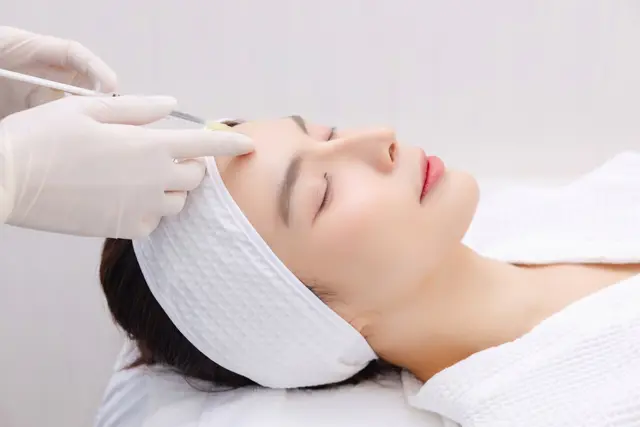
Radiesse
Radiesse is an injectable implant of synthetic calcium hydroxylapatite microspheres in a gel carrier, used to restore facial volume and improve the appearance of wrinkles and folds, and capable of stimulating a collagen and elastin response as well.
Learn More
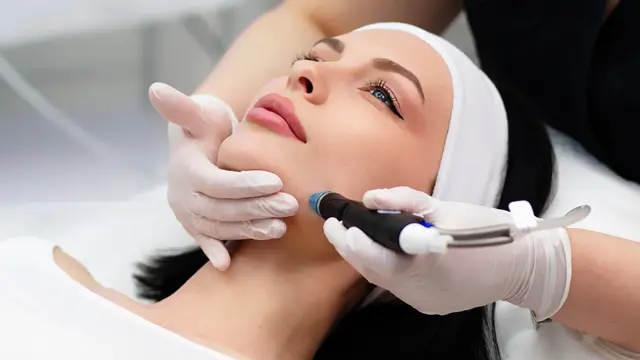
Aqua Peel
Aqua Peel is a hydro-dermabrasion facial: a handpiece combines liquid flow with vacuum suction to lift surface debris out of the pores while an exfoliating or cleansing solution loosens it.
Learn More
Thermage FLX RF
Thermage FLX, made by Solta Medical, is a radiofrequency system that delivers controlled RF heating to the skin and underlying tissue and may add skin vibration during treatment.
Learn More