Personalized Medical Care & Dedicated International Patient Concierge

Laser & Light-Based Skin Treatments · Consultation Required
Pico Toning
Pico Toning is a picosecond-pulse laser treatment in which laser energy delivered in extremely short pulses fragments pigment by a predominantly photomechanical effect rather than by thermal injury, which is why it is applied to pigment and to tattoo ink as well as in fractional resurfacing.
Schedule a ConsultationPico Toning for Pigmentation in Jeju, Korea
Medically reviewed by Dr. Oh Eunhui, Medical Director, Liyan Clinic
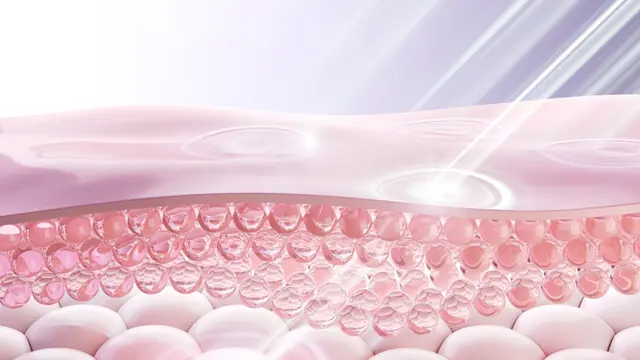
Pico Toning is a picosecond-pulse laser treatment offered at Liyan Clinic in Jeju, Korea, used mainly for pigmentation and for tattoo ink. The distinguishing feature is not the brand of the machine but the length of the pulse: energy arriving in picoseconds breaks pigment by a predominantly photomechanical effect rather than by heating the surrounding tissue. A session usually takes 15 to 30 minutes.
What this page can tell you is what the treatment does mechanically, who it tends to suit, and what the sequence looks like from consultation to review. What it cannot tell you is whether your own pigmentation is the kind that responds, because that depends on the pigment's depth and its cause, and both are established by examination.
What Is Pico Toning?
Pico Toning is a picosecond-pulse laser treatment in which laser energy delivered in extremely short pulses fragments pigment by a predominantly photomechanical effect rather than by thermal injury, which is why it is applied to pigment and to tattoo ink as well as in fractional resurfacing.
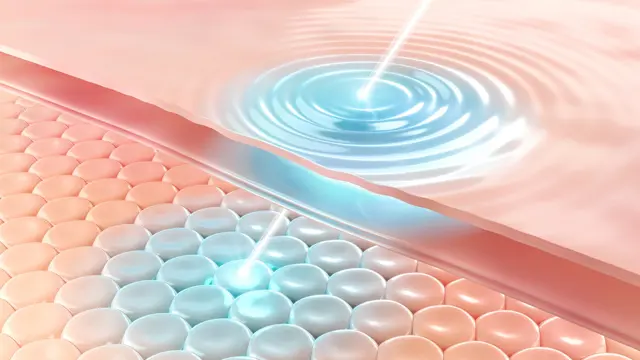
The pulse duration is the mechanism. Because the energy is delivered faster than the target can disperse heat, the effect on pigment is mechanical fragmentation rather than heating.
The wavelength, the device and the settings depend on the pigmentation type and on the treatment objective, and they are not fixed for the treatment as a whole.
The clinic groups it under its laser and light work and applies it to the full face, and also to eyebrow and eyeliner tattoo, with body tattoo handled on consultation.
In fractional mode it is applied to acne scarring rather than to flat pigment.
Chair time is 15 to 30 minutes, and no overnight stay is required for a treatment of this type.
Pico Toning is often compared with conventional laser toning, which uses longer pulse technology. Neither is automatically the better option: what decides it is the type and depth of the pigmentation and the condition of the skin around it. The American Academy of Dermatology's melasma guidance places low-fluence Q-switched and picosecond toning among the adjunctive options within a managed treatment plan rather than as a stand-alone cure, and notes that melasma is a condition that returns (AAD on diagnosing and treating melasma). That framing is the honest one to carry into a consultation.
Who Performs Pico Toning at Liyan Clinic
|
|
|
Dr. Oh Eunhui, Medical Director | Dr. Hyun Moonsu, Vice Director | Dr. Kim Seunkon, Vice Director |



The variable that matters most in pigment work is the setting, not the appointment. Fluence that is right for superficial sun spots can worsen pigment that sits deeper, and that decision belongs to the clinician holding the handpiece after examining the skin. Liyan Clinic publishes a named profile and career history for each of its three doctors, beginning with the Medical Director, Dr. Oh Eunhui. The clinic states that the exact protocol and the laser settings for this treatment are confirmed during consultation rather than set in advance.
Dr. Oh Eunhui is the Medical Director of Liyan Clinic and the clinic's legal representative on its business registration. She graduated from Seoul National University. Before Liyan Clinic she held Vice Director posts at Joy Dermatology and Me&Me Clinic and was Medical Director of The Goun Clinic. She is a full member of the Korean Society of Aesthetic Plastic Surgery and Laser Medicine and of the Korean Society of Laser Dermatology and Hair Research, and a member of the Korean Society of Aesthetic Medicine, the Korean Society of Obesity and Aesthetic Medicine and the Korean Society of Aesthetic Functional Medicine.
Dr. Hyun Moonsu is a Vice Director at Liyan Clinic and a medical specialist associated with Dong-A University. He previously served as Head of the Medical Department at Seogwipo Medical Center, as Director at Mijak Clinic and as Representative Director at Neulbom Miarum Clinic. He is a member of the Basic Aesthetic Research Association, the Korean Society of Laser Dermatology and Hair Research, the Korean Society of Aesthetic Plastic Surgery and Laser Medicine and the Korean Society of Obesity and Aesthetic Medicine.
Dr. Kim Seunkon is a Vice Director at Liyan Clinic. He previously held Director posts at Madi Clinic and at Jeju Clinic before joining Liyan Clinic. He is a member of the Korean Society of Laser Dermatology and Hair Research, the Korean Society of Aesthetic Plastic Surgery and Laser Medicine and the Korean Society of Obesity and Aesthetic Medicine.
All three of Liyan Clinic's doctors are listed as performing doctors for this area of treatment, and the clinic has not published an assignment of particular treatments or sessions to particular doctors, so this page names the team rather than claiming one doctor performs every session.
Pico Toning Options / Types Available
The same platform is used in more than one way, and the differences matter more than they look. The table below reflects what the clinic documents for this service.
Application | What it addresses | How the clinic handles it |
|---|---|---|
Full-face toning | Melasma and mixed pigmentation, freckles and sun spots, uneven tone | Standard treatment area for this service |
Fractional mode | Acne scarring rather than flat pigment | A different mode of the same treatment |
Cosmetic tattoo | Eyebrow and eyeliner tattoo ink | Treated at the clinic alongside facial work |
Body tattoo | Tattoo ink outside the face | Handled on consultation |
Within the clinic's own range the nearest alternative is Laser Skin Treatment, which works by a different mechanism and is not interchangeable with this one; both sit under Skin Resurfacing with Laser Technology. Outside that range, depending on the concern, the alternatives are other pigment lasers, IPL, topical treatments, chemical peels or a combination approach, and which of them applies depends on whether the pigmentation is epidermal, dermal, vascular or mixed.
Who Is a Good Candidate for Pico Toning?
You may be a candidate if
You are an adult in good general health.
Melasma or mixed pigmentation is your main concern.
Freckles and sun spots are your main concern.
You want tattoo ink treated, on the face or on the body.
You have acne scarring that would be addressed in fractional mode.
You understand that the change is non-surgical and gradual rather than instant.
You accept that visible change follows each session rather than arriving all at once.
You may need to avoid or postpone treatment if
Your skin has an active infection.
There is significant inflammation, or an open wound, in the area to be treated.
Your skin is currently irritated or sunburned.
You are pregnant, in which case suitability is discussed with the doctor first.
You have a specific medical or skin condition that makes the treatment unsuitable.
Every patient at Liyan Clinic speaks with a doctor before treatment begins, and the clinic assesses each face, each skin and each way of living before recommending anything. In practice the assessment for this treatment looks at skin condition, pigmentation type, skin tone, previous treatments, current medications and what the patient is actually trying to change. The plan and the laser settings follow from that, which is the reason suitability is not decided from photographs alone.
What to Expect: Procedure, Recovery, and Results Timeline
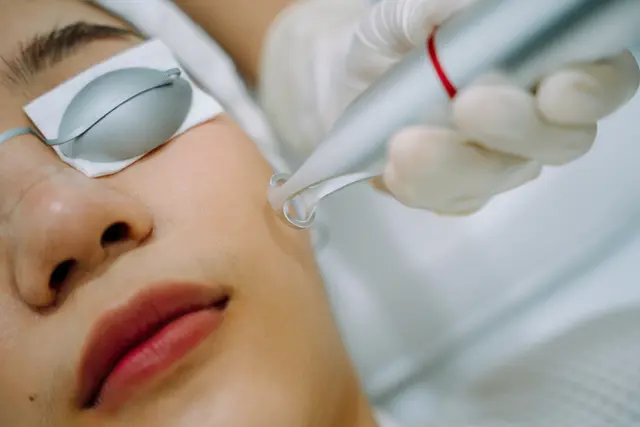
Before treatment, avoid excessive sun exposure and tanning, and tell the practitioner about medications, skincare products, recent procedures and any history of abnormal pigmentation. The skin should be in a stable, non-irritated condition on the day. During the session the skin is cleansed and prepared, the handpiece is applied to the targeted areas, multiple controlled pulses are delivered, and soothing or protective skincare is applied according to how the skin has responded.
Stage | What happens | Timing |
|---|---|---|
Assessment | Skin condition, pigmentation type, skin tone, previous treatments and medications are reviewed | Before treatment |
Treatment | Cleansing and preparation, then multiple controlled pulses over the targeted areas | 15 to 30 minutes of chair time |
Immediate after-effects | Mild redness, typically for about a day; pinpoint crusting where fractional or tattoo settings were used | Day 0 to day 1 |
Return to normal activity | Usually resumed at once for this treatment class | Same day |
First change | Some patients notice a brighter or more even complexion after the first session | After each session |
Course | Persistent pigmentation is normally treated over several sessions, with effect cumulative across the course | Weeks apart |
Assessment of result | The result is judged over the following weeks rather than on the day | Weeks |
Most patients resume normal activities relatively quickly, although mild redness or sensitivity can remain for a short time, and recovery varies with treatment intensity and individual skin response. Skin tone becomes more even gradually as treated pigment clears rather than changing at once. How long that holds depends on the underlying cause of the pigment and on continued sun exposure, so pigmentation can recur.
For a patient travelling from the United States, the practical consequence is scheduling. Pigment work in this class normally needs a course of several sessions, and a single trip to Jeju will not deliver a course. The usual pattern is one review after treatment and then a decision point once the result has settled, with the first review taken in Jeju before flying and the later decision point handled remotely. An online consultation is possible beforehand, and for a remote assessment the clinic can work from clear photographs of the pigmentation taken in good lighting together with details of previous treatment.
Safety, Precision, and Clinic Standards
Liyan Clinic is a Registered Medical Institution for Attracting Foreign Patients, certified by the Ministry of Health and Welfare in compliance with the Medical Overseas Expansion and Foreign Patients Attraction Act.
Liyan Clinic publishes no case volume, no outcome rate and no complication rate for this treatment, and this page claims none.
Liyan Clinic opened in Jeju City in 2013, has operated from the same address ever since, and records more than 60,000 cumulative patient visits.
The side effects reported for this treatment are mostly temporary: redness, warmth, dryness, sensitivity or mild swelling. Pigmentation can also darken or lighten temporarily after treatment. Less commonly, burns or scarring can occur, and the qualification attached to that is specific: they are associated particularly with treatment that was unsuitable for the skin in question or delivered too aggressively. Hyperpigmentation, hypopigmentation, prolonged redness and worsening of certain pigmentation conditions are the risks a patient should have heard named before consenting. Individual risk depends on skin type, on the diagnosis and on the laser settings, and the clinic describes its approach as individualized rather than one-size-fits-all.
That risk list is the argument for treating diagnosis as the first step rather than a formality. Pigment is not one thing: the American Academy of Dermatology describes ultraviolet exposure as producing freckles and age spots as part of photoaging (AAD on ultraviolet exposure and photoaging), while hormonally driven pigment behaves differently and is managed differently. Sun protection after treatment is part of the treatment plan rather than general advice, because continued exposure is one of the things that brings pigment back.
The Bottom Line
Pico Toning works by pulse duration: picosecond pulses fragment pigment mechanically rather than by heating it.
It is applied to facial pigmentation, to eyebrow and eyeliner tattoo and, on consultation, to body tattoo, and in fractional mode to acne scarring.
Chair time is 15 to 30 minutes, normal activity is usually resumed at once, and pinpoint crusting can follow fractional or tattoo settings.
Persistent pigmentation normally requires a course of several sessions, so one trip will rarely complete the plan.
Complete clearance cannot be promised, a specific degree of brightening cannot be promised, and pigmentation can recur with UV exposure or underlying hormonal and skin factors.
Frequently Asked Questions
What does a picosecond pulse actually do to pigment?
It delivers the energy faster than the pigment can shed it as heat, so the pigment is fragmented mechanically rather than cooked. That is the reason the same platform is used on tattoo ink as well as on melanin. It is also why the pulse duration, not the brand name, is the meaningful description of the treatment.
How long does a Pico Toning session take?
Chair time is 15 to 30 minutes. Consultation, any preparation and photography sit outside that, so the visit itself runs longer than the treatment step. No overnight stay is required for a treatment of this type.
Is Pico Toning painful?
It is generally considered a tolerable laser treatment. Patients commonly report brief warmth, tingling or a snapping sensation during the pulses. Individual sensitivity varies, and because the treatment is non-surgical, extensive anesthesia is typically not required.
Can Pico Toning be used on tattoo ink?
Yes. The clinic treats eyebrow and eyeliner tattoo with it, and body tattoo is handled on consultation rather than booked directly. Tattoo settings are more likely to leave pinpoint crusting afterwards than full-face toning is.
How soon will my pigmentation look different?
Some patients notice a brighter or more even complexion after the first session, but the improvement generally develops progressively rather than immediately. Skin tone evens out as treated pigment clears over the following weeks. The result is assessed across the weeks after a session, and persistent pigmentation is normally worked through over several sessions.
Will the pigmentation come back?
It can. How long a result holds depends on the underlying cause of the pigment and on continued sun exposure, and hormonal and skin factors also play a part. This is a treatment that is maintained rather than completed, which is why sun protection is treated as part of the plan.
Who should postpone Pico Toning?
Anyone with an active skin infection, significant inflammation, an open wound, or skin that is currently irritated or sunburned should wait. Pregnant patients and people with particular medical or skin conditions should raise it with the doctor before booking. The assessment decides this, not a checklist.
What should I avoid in the weeks before my session?
Deliberate sun exposure and tanning for two to four weeks beforehand, because both change what settings can safely be used. At-home exfoliating acids and retinoids in the days immediately before, for the same reason. Anything involving a prescription medicine is a decision for the prescribing doctor, never for the patient alone.
Book a Consultation at Liyan Clinic
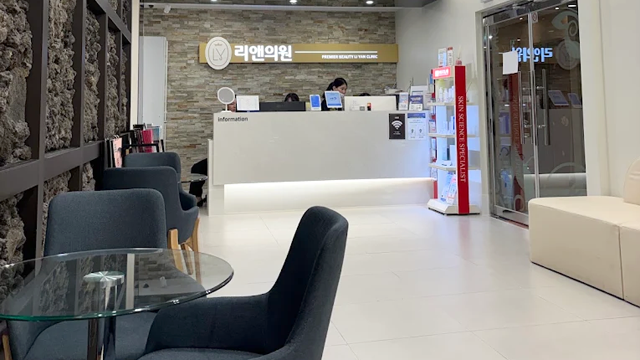
Pico Toning is performed at Liyan Clinic in Jeju City, and an online consultation is possible before you travel, although suitability is settled in person.
Liyan Clinic is at 3rd Floor, 371 Jungang-ro, Jeju-si, Jeju-do, South Korea, and opens Monday 10:00-19:00, Tuesday 10:00-20:00, Thursday 10:00-19:00, Friday 10:00-20:00 and Saturday 10:00-15:30, closed Wednesdays, Sundays and Korean public holidays.
English-speaking assistance is available for both online and in-person consultations at Liyan Clinic, and enquiries are handled through the clinic's contact page.
Liyan Clinic has not published a price or a price range for this treatment, so none is stated on this page, and cost is confirmed at consultation.
Appointment requests are handled through the clinic's contact page.
Disclaimer
This page is for general informational purposes and does not constitute individualized medical advice. Candidacy, technique, and expected outcomes can only be determined through a consultation with a qualified physician.
Sources & Further Reading
AAD, Melasma: diagnosis and treatment — melasma management, including low-fluence Q-switched and picosecond toning used as adjuncts: https://www.aad.org/public/diseases/a-z/melasma-treatment
AAD, Sun damage and your skin — ultraviolet exposure as the driver of the freckles and age spots this treatment targets: https://www.aad.org/public/everyday-care/sun-protection/sun-damage-skin
Other Services
Explore additional treatments offered by our specialists.
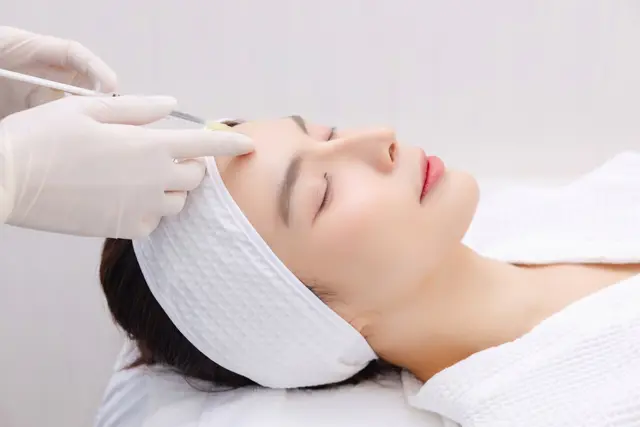
Radiesse
Radiesse is an injectable implant of synthetic calcium hydroxylapatite microspheres in a gel carrier, used to restore facial volume and improve the appearance of wrinkles and folds, and capable of stimulating a collagen and elastin response as well.
Learn More
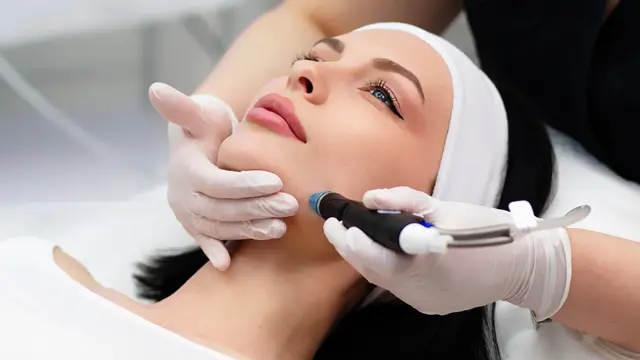
Aqua Peel
Aqua Peel is a hydro-dermabrasion facial: a handpiece combines liquid flow with vacuum suction to lift surface debris out of the pores while an exfoliating or cleansing solution loosens it.
Learn More
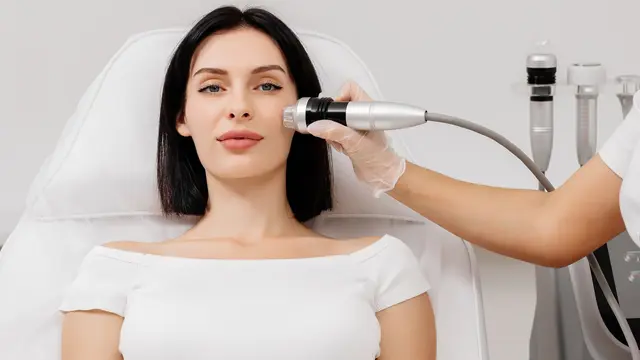
Thermage FLX RF
Thermage FLX, made by Solta Medical, is a radiofrequency system that delivers controlled RF heating to the skin and underlying tissue and may add skin vibration during treatment.
Learn More